
Almost every appliance sold today claims to be “energy efficient” in its marketing copy — which makes the phrase nearly meaningless on its own. The actual, verifiable way to check efficiency is to look past the marketing language entirely and check two specific things: ENERGY STAR certification and the EnergyGuide label serve different purposes. ENERGY STAR identifies products that meet applicable efficiency criteria, while EnergyGuide provides standardized energy-use and estimated operating-cost information for comparing many major appliances. Neither replaces checking the specifications of the exact model you are considering.
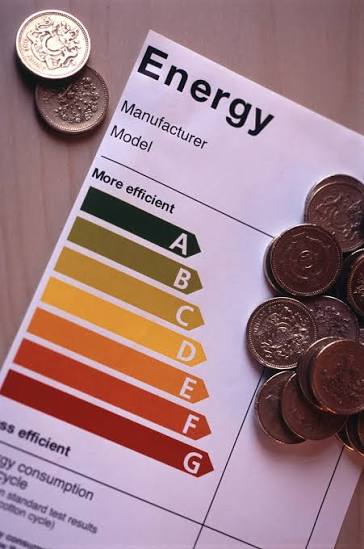
Marketing Claims vs. Actual Certification
Terms like “eco-friendly,” “energy-saving,” or “high efficiency” printed on a box or product listing are marketing language, not certifications — there’s no independent verification behind these phrases, and manufacturers can use them essentially at their own discretion. The only labels that represent an actual third-party verification process are the ENERGY STAR label and the EnergyGuide label, and they work differently from each other.
What ENERGY STAR Actually Certifies
ENERGY STAR is a voluntary labeling program, jointly run by U.S. federal agencies, that certifies specific product models meeting defined efficiency criteria within their category. To earn the label, a manufacturer must submit test data (and in many product categories, have that data verified through accredited, sometimes randomly-audited third-party testing) showing the model meets or exceeds a specific efficiency threshold compared to standard models in the same category.
Importantly, ENERGY STAR is a pass/fail certification, not a ranking — a refrigerator either meets the current ENERGY STAR criteria for its size and type, or it doesn’t. It doesn’t tell you how much more efficient one certified model is compared to another certified model in the same category — for that comparison, you need the EnergyGuide label, covered below.
You can check specific models using the official ENERGY STAR Product Finder, which lets shoppers search certified products by category and review available product details.
A note on the program’s current status
As of 2026, ENERGY STAR is in the middle of a formal transition of program leadership from the Environmental Protection Agency (EPA) to the Department of Energy (DOE), following a Memorandum of Agreement signed in March 2026 and a finalized transition plan in August 2026. The program had faced funding and staffing uncertainty in 2025, but Congress stepped in with dedicated funding, and the program continues operating and certifying new products throughout the transition, which is expected to fully complete by mid-2027. In practical terms, this means the ENERGY STAR label remains a valid, active certification to look for when shopping — but it’s worth knowing the program is mid-transition in case branding or verification processes shift as DOE takes over primary oversight.
One category to note: ENERGY STAR discontinued certifying light bulbs as of December 2024, so you won’t find the label on lighting products anymore, even though other lighting-adjacent categories (like recessed lighting fixtures and ceiling fans) remain part of the program.
How to Read the EnergyGuide Label
While ENERGY STAR tells you a model passed a certification threshold, the EnergyGuide label (the yellow tag required on most major appliances sold in the US) gives you the actual comparative numbers:
- Estimated yearly operating cost, based on the national average electricity rate — useful for a rough comparison, though your actual cost will vary based on your local rate.
- Estimated annual energy use in kWh, which is the more useful number for direct comparison since it isn’t affected by regional rate differences.
- A comparison scale showing where this specific model falls compared to similar models in its size and type category — this is the actual ranking information that ENERGY STAR certification alone doesn’t provide.
When comparing two ENERGY STAR-certified models, the EnergyGuide label’s kWh estimate is what actually tells you which one uses less energy — certification alone only tells you both models cleared the same minimum bar.
The U.S. Federal Trade Commission explains how to interpret this label in its guide to using the EnergyGuide label when shopping for home appliances. Remember that the estimated annual operating cost uses standardized assumptions; your actual cost will depend on local energy prices and how you use the appliance.
Which Appliance Categories Have ENERGY STAR Certification
Common certified categories include:
- Refrigerators and freezers
- Dishwashers
- Clothes washers and dryers
- Room and central air conditioners
- Heat pumps and furnaces
- Water heaters (including heat pump water heaters)
- Smart thermostats
- Windows and doors
- Ceiling fans
Not every appliance category has an ENERGY STAR designation — smaller appliances like microwaves, toasters, and coffee makers generally aren’t certified, since the program focuses on categories with the most meaningful energy impact.
Red Flags When Evaluating “Efficient” Claims
- Vague marketing language with no label or specific numbers attached — if a listing only says “energy efficient” without showing an EnergyGuide estimate or ENERGY STAR badge, treat it as unverified marketing copy.
- A percentage improvement claim with no clear baseline — “30% more efficient” means little without knowing what it’s being compared to (an older model in your home, an industry minimum standard, or a specific competitor).
- Confusing ENERGY STAR with a general efficiency rating scale like SEER (for AC/heat pumps) — these aren’t the same thing. SEER measures a specific efficiency metric with its own numeric scale, while ENERGY STAR is a pass/fail certification that typically requires a minimum SEER (or equivalent metric) to qualify. A high-SEER unit that isn’t ENERGY STAR certified may still be genuinely efficient, but you’ll need to check the SEER number directly rather than relying on a badge.
How to Actually Compare Models Before Buying
- Check for the ENERGY STAR badge as a first-pass filter — it confirms the model meets a real, verified efficiency threshold for its category.
- Compare the EnergyGuide label’s annual kWh estimate between the specific models you’re considering, not just their certification status, since two certified models can still differ meaningfully in actual energy use.
If you want to see which household devices tend to account for the largest share of electricity costs, read our guide to which appliances use the most electricity in your home. It can help you prioritize which appliances are worth comparing more closely.
- Factor in the size/capacity you actually need. A larger, ENERGY STAR-certified refrigerator can still use more total energy than a smaller, non-certified one — certification and label comparisons are only meaningful within the same size/capacity category.
- Calculate the payback period for a genuinely more efficient model if you’re comparing it against a similar-priced but less efficient option, using the EnergyGuide’s estimated annual cost difference against any price premium.
To estimate the running cost of an appliance you are considering, use our Electricity Cost Calculator. Enter the appliance’s power rating, expected hours of use, and your electricity rate to estimate its energy consumption and operating cost.
For the fairest comparison, use the same usage assumptions and electricity rate for both models. If the EnergyGuide label provides annual energy consumption in kWh, use that figure when available rather than estimating from wattage alone.
- Check for available rebates, since many utilities and some state programs offer rebates specifically for ENERGY STAR-certified purchases (particularly water heaters, heat pumps, and smart thermostats), which can meaningfully offset a higher upfront cost.
Final Thoughts
“Energy efficient” as a marketing phrase tells you almost nothing on its own — the ENERGY STAR label and the EnergyGuide sticker are the two actual, verifiable data points worth checking before buying. Use ENERGY STAR as your first filter to rule out clearly below-average models, then use the EnergyGuide’s specific kWh estimate to compare the certified options against each other, since certification alone doesn’t tell you which specific model will actually save you the most on your bill.