
If you’ve researched solar panel costs before and are now getting updated quotes, you may notice the numbers look different than what you remember — and that’s not a pricing error. The federal tax credit that used to cut 30% off a solar installation’s cost expired at the end of 2025, which meaningfully changes the real cost and payback math for anyone installing solar in 2026. This guide breaks down exactly what a system costs today, what’s driving the price, and how the incentive landscape has actually changed.
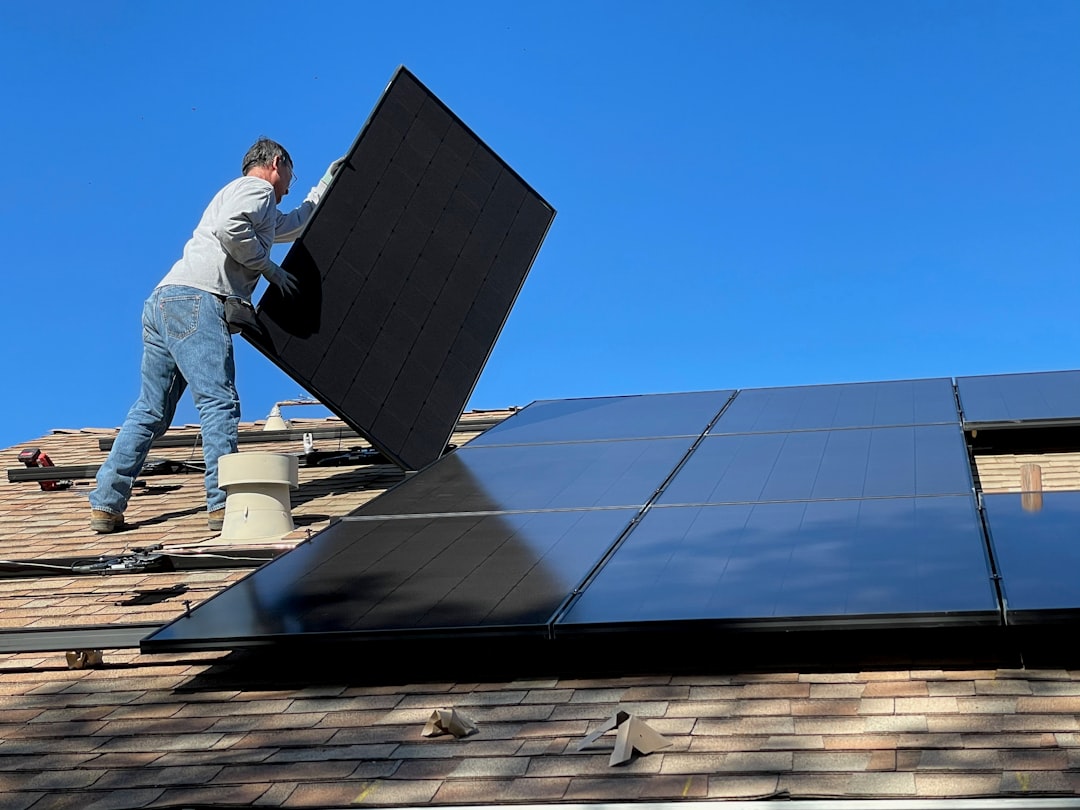
The Big Change: The Federal Tax Credit Is Gone for Homeowners
For nearly two decades, the Residential Clean Energy Credit (commonly known as the 30% federal solar tax credit) let homeowners who purchased a solar system with cash or a loan deduct 30% of the total cost from their federal taxes. That credit expired on December 31, 2025, under the One Big Beautiful Bill Act, well ahead of its originally scheduled 2032 phase-out. If you purchase a system outright or with a loan in 2026, there is no federal discount applied to your cost — the quote you receive is effectively your real cost, before any remaining state or local incentives.
There’s one notable exception: if you sign a solar lease or Power Purchase Agreement (PPA) instead of purchasing the system, the leasing company (not you) can still claim a separate, business-facing federal credit (Section 48E) through 2027, and may pass some of that savings on to you in the form of a lower monthly lease payment — though you won’t own the system or directly benefit from the credit yourself.
What Solar Actually Costs in 2026
The national average installed cost for residential solar sits at roughly $2.50-$3.50 per watt, before any state or local incentives, according to multiple 2026 industry sources including NREL benchmarks and EnergySage data. For context on what that means in real dollars:
| System size | Estimated cost (before incentives) |
|---|---|
| 6 kW | $15,000-$21,000 |
| 8 kW | $20,000-$28,000 |
| 10 kW | $25,000-$35,000 |
| 12 kW | $29,000-$40,000 |
Most homes with a typical monthly electric bill of $120-$180 land in the 6-10 kW range, though your actual recommended system size depends on your annual usage, roof orientation, and local sun exposure.
What Makes Up That Price
Installation labor, permitting, and what the industry calls “balance-of-system” components (racking, wiring, inspection fees) typically account for 40-55% of the total project cost — not just the panels themselves. This is why comparing quotes purely on panel brand or a low headline number can be misleading; a cheap panel deal can evaporate quickly if the installer’s labor, permitting, and interconnection fees are priced high.
Before comparing installer quotes, it helps to understand how system size affects the total price. See our real cost breakdown for 3 kW, 5 kW, and 10 kW solar systems for a side-by-side look at estimated costs across different system sizes.
DIY installation as a lower-cost alternative
A full DIY solar installation — buying equipment at wholesale pricing and handling your own labor — can reduce total cost by roughly 30-40%, bringing the effective installed cost down to around $1.50-$2.20 per watt for homeowners willing and able to handle their own permitting and electrical work. Nearly every state, however, still requires a licensed electrician to make the final connection to your main panel and sign off on the utility interconnection, so “fully DIY” isn’t entirely hands-off even for the most capable homeowners.
What Still Reduces Your Cost in 2026
Even without the federal credit, a few paths to lower cost remain:
- State and local incentives. Many states still offer their own tax credits, rebates, or property tax exemptions for solar installations — these vary significantly by state and are worth researching specifically for your address, since they’re not applied automatically the way the old federal credit was.
- Utility rebate programs. Some utilities offer direct rebates for solar installations, particularly those paired with battery storage that can support grid stability programs.
- Net metering policies, which don’t reduce your upfront cost but affect your long-term payback by determining how much credit you receive for excess energy your system sends back to the grid — see our full guide on [what net metering is and how solar credit works].
- Leasing or a PPA, if avoiding the upfront cost entirely matters more to you than owning the system and capturing its full long-term savings yourself.
Your utility’s compensation rules can materially affect the value of the electricity your system exports. Our guide to what net metering is and how solar credit works explains why export credits and utility policies matter when estimating long-term savings.
For an independent overview of residential solar, consult the U.S. Department of Energy’s Homeowner’s Guide to Going Solar. Use official state and utility sources to verify which incentives and export-credit rules apply to your location.
How Long Does It Take to Pay Off Now?
Without the federal credit, the typical payback period for a cash-purchased residential solar system has lengthened compared to prior years, now commonly cited in the 7-12 year range, depending heavily on your local electricity rate, system cost, and available state incentives — homes in high-electricity-rate states with strong state-level incentives will see a faster payback than the range’s upper end. This is a meaningfully different calculation than the shorter payback periods often cited in solar marketing from 2024 and earlier, which generally assumed the now-expired federal credit.
For a more detailed explanation of the variables behind solar payback, see our guide to how long it takes for solar panels to pay for themselves. It explains how installation cost, electricity prices, system production, and export credits influence the calculation.
Estimate note: The 7–12 year payback range is an illustrative benchmark, not a guarantee or a result that applies to every household. Calculate payback using an itemized installation quote, estimated annual system production, your actual electricity rates, utility export-credit rules, and only the incentives for which you qualify. Financing costs, maintenance, and future changes in electricity prices can also affect the result.
Estimate Your Solar Payback Period
National averages can help you understand the market, but your own payback period depends on your installation quote, annual electricity use, local utility rates, system production, and compensation for excess electricity sent to the grid. Use our Solar Payback Calculator to estimate your project’s payback using your own figures.
Treat the result as an estimate rather than a guarantee. Verify any state or local incentives you qualify for, and make sure your calculation reflects the current rules that apply to your purchase.
Factors That Affect Your Specific Quote
- Your annual electricity usage is the primary driver of recommended system size, since installers typically size a system to offset as much of your annual usage as your roof can support.
- Roof orientation, pitch, and shading significantly affect how much usable sunlight your system receives, which in turn affects how large a system you need to meet your usage goals.
- Roof complexity (multiple angles, obstructions, an older roof needing reinforcement or replacement first) can add meaningfully to installation labor costs.
- Equipment tier. Premium monocrystalline panels paired with microinverters cost more upfront but can offer better performance in partial-shade conditions and typically come with stronger manufacturer warranties.
- Battery storage, if added, increases total project cost substantially — commonly by $7,000-$18,000 depending on battery capacity — but provides backup power during outages and can improve the economics of your system depending on your utility’s net metering and time-of-use structure.
If you are considering storage alongside your panels, our Best Home Solar Batteries: Full Comparison compares battery options and the factors to evaluate before adding storage to a solar project.
How to Get an Accurate Quote
- Provide your actual 12 months of electricity usage (from your utility account) rather than letting an installer estimate based on your home’s square footage alone, since usage-based sizing is far more accurate.
- Get multiple quotes and compare on price per watt, not just total price — a lower total price can simply reflect a smaller, undersized system rather than a genuinely better deal.
- Ask specifically about state and local incentives your installer is factoring into the quote, and verify those independently rather than taking a sales representative’s summary at face value.
For a broader explanation of the federal incentive changes affecting homeowners, read our Federal Solar Tax Credit 2026: Complete Guide. Confirm current eligibility and program rules through official sources before including any incentive in your budget.
- Compare warranties and production guarantees, not just equipment cost, since a cheaper system with a weaker warranty can cost more in the long run if performance degrades faster than expected or components need early replacement.
- If considering a lease or PPA, read the escalator clause carefully — many lease agreements include an annual payment increase (commonly 1-3%), which affects your long-term savings compared to a fixed-cost cash or loan purchase.
Solar Installation Quote Comparison Checklist
When comparing solar installation quotes, make sure each installer is pricing a similar system and scope of work. A lower headline price does not always mean better value if equipment, warranties, or installation services differ.
Use this checklist to compare proposals:
| Item to compare | Questions to ask |
|---|---|
| System capacity | Are both systems the same size in kilowatts (kW)? |
| Estimated production | What annual electricity production does each installer project, and what assumptions are used? |
| Equipment | Are the panel and inverter models specified in writing? |
| Installation scope | Are labor, mounting hardware, permits, inspections, and electrical work included? |
| Battery storage | Is a battery included, optional, or excluded from the quote? |
| Warranty coverage | What is covered by the equipment, workmanship, and performance warranties? |
| Additional charges | Could roof repairs, electrical upgrades, or utility interconnection fees increase the final price? |
| Incentives | Which incentives are included in the estimate, and have you verified that you qualify? |
Before signing, request an itemized written proposal and check the assumptions behind the projected savings. For general guidance, consult the U.S. Department of Energy’s Homeowner’s Guide to Going Solar.
Final Thoughts
Solar remains a genuinely worthwhile investment for many homeowners in 2026, but the math has changed meaningfully now that the federal tax credit has expired for direct purchases — the real cost of a typical system runs $20,000-$28,000 for an 8 kW installation, with payback now more commonly in the 7-12 year range rather than the shorter timelines often cited in older marketing material. Before committing, get multiple usage-based quotes, dig into what state and local incentives are actually still available in your area, and be clear-eyed about whether a cash purchase, loan, or lease structure best fits your specific financial situation now that the federal discount is no longer part of the equation.