
Heat pump installation costs vary more than most home improvement projects, largely because “heat pump” covers several genuinely different system types — a small ductless unit for one room and a whole-home ducted system serving a large house are both accurately described as “a heat pump,” but their costs can differ by tens of thousands of dollars. This guide breaks down real 2026 costs by system type, what drives the price within each category, and what still helps offset the cost now that the federal tax credit has expired.
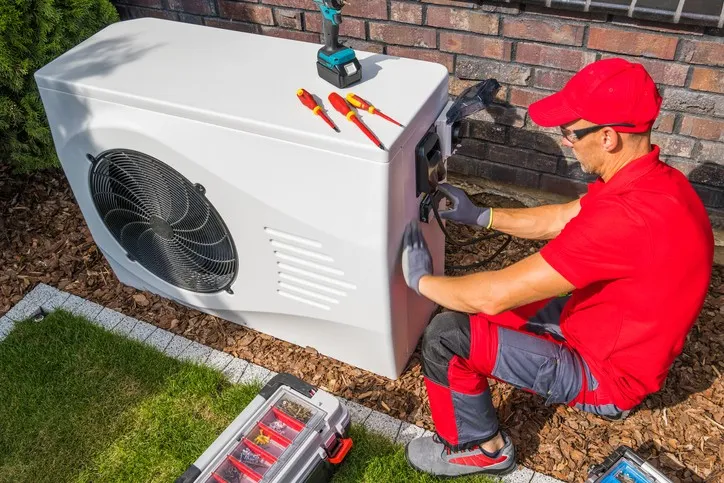
Cost by Heat Pump Type
Ducted air-source heat pump (whole-home, using existing ductwork)
| Home size | Typical installed cost |
|---|---|
| Small home (under 1,500 sq ft) | $6,000-$9,500 |
| Medium home (1,500-2,500 sq ft) | $8,500-$13,000 |
| Large home (2,500+ sq ft) | $12,000-$18,000+ |
This is the most common type for homes already equipped with central ductwork (typically homes previously heated with a forced-air furnace), since the existing duct system can generally be reused, keeping installation labor more contained than a project requiring new ductwork.
Ductless mini-split heat pump (per zone)
| Configuration | Typical installed cost |
|---|---|
| Single-zone system (one indoor unit) | $3,500-$6,500 |
| Multi-zone system (2-3 indoor units) | $7,000-$12,000 |
| Whole-home multi-zone (4+ indoor units) | $12,000-$20,000+ |
Mini-splits are the standard choice for homes without existing ductwork, room additions, or as supplemental heating/cooling for specific zones (a converted garage, a sunroom, an addition) where extending existing ducts isn’t practical or cost-effective.
Ground-source (geothermal) heat pump
| Component | Typical installed cost |
|---|---|
| Full system including ground loop installation | $20,000-$40,000+ |
Geothermal systems carry a significantly higher upfront cost, driven primarily by the excavation or drilling required to install the underground loop system, but typically deliver the lowest ongoing operating cost of any heating/cooling technology, since ground temperature is far more stable than fluctuating outdoor air temperature.
Heat pump water heater (a related but separate purchase)
| Component | Typical installed cost |
|---|---|
| Heat pump water heater unit and installation | $2,000-$4,500 |
Often installed alongside or shortly after a space-heating heat pump project, but a genuinely separate purchase — see our full guide on heat pump water heaters for a dedicated breakdown of this specific equipment.
What Drives Cost Within Each Category
Home size and heating/cooling load
Larger homes require higher-capacity equipment (measured in tons or BTUs), which costs more both in equipment price and in the labor required for a bigger installation. A professional load calculation (specifically a Manual J calculation, the industry-standard method) determines your home’s actual heating and cooling needs — critical for correct sizing, since an undersized system won’t keep up with demand and an oversized system wastes money and can cause other performance issues like poor humidity control.
Existing ductwork condition
If you’re converting from a furnace-based system, reusable, well-sealed existing ductwork keeps costs toward the lower end of the ducted range above. If ductwork needs significant repair, modification, or full replacement to work properly with a heat pump system, this can add $2,000-$8,000+ depending on the scope, since heat pump airflow requirements sometimes differ from what an older furnace-based duct system was originally designed around.
Electrical panel capacity
Heat pumps, particularly larger systems, may require more electrical capacity than your home’s existing panel provides — if a panel upgrade is needed (common in older homes), this typically adds $1,500-$4,000 to the total project cost.
Cold-climate-rated equipment
Heat pumps specifically engineered to maintain efficiency at very low outdoor temperatures typically carry a price premium over standard models — worth the additional cost for homeowners in genuinely cold climates who want the system to serve as a true primary heat source rather than needing frequent backup heat, but not necessary for milder climates.
For additional guidance on heat pump performance and choosing an appropriate system for your climate, consult the U.S. Department of Energy’s Heat Pump Systems guide.
Removal of old equipment
Removing and disposing of an old furnace, boiler, or window AC units adds a modest additional cost, typically included in most full-replacement quotes but worth confirming is covered rather than billed as a separate line item.
Dual-fuel/hybrid setup
If you’re installing a heat pump alongside an existing or new gas furnace as backup for extreme cold (a dual-fuel configuration, discussed in our heat pump vs. gas furnace cost comparison), this adds the cost of maintaining both systems rather than replacing one with the other — a meaningful cost consideration if you’re specifically weighing this hybrid approach.
What Still Helps Offset the Cost in 2026
The federal Energy Efficient Home Improvement Credit (Section 25C), which previously offered up to $2,000 toward a qualifying heat pump, expired December 31, 2025 — see our [federal solar tax credit 2026 guide] for the broader context on federal energy credit changes. That said, a few paths to reduce your real cost remain:
- State-level tax credits and rebates, which vary significantly by state and are independent of federal policy — worth checking your specific state’s current programs directly.
- Utility rebate programs, particularly common for heat pumps as utilities increasingly incentivize electrification — some offer rebates specifically for cold-climate-rated equipment or for replacing electric resistance heating.
- Manufacturer and installer promotions, which fluctuate seasonally and by specific equipment line — worth asking your installer directly about current offers rather than assuming none exist.
- Financing programs, including some state-run low-interest financing programs (like California’s GoGreen Financing) that exist independently of the federal tax credit and remain unaffected by its expiration.
For a detailed overview of remaining state and utility incentives, see our guide to heat pump rebates and tax credits available in 2026. Check current eligibility and funding availability before including an incentive in your budget.
A Simple Cost Range Summary
| System type | Typical installed cost range |
|---|---|
| Ductless mini-split, single zone | $3,500-$6,500 |
| Ducted whole-home (small-medium home) | $6,000-$13,000 |
| Ducted whole-home (large home) | $12,000-$18,000+ |
| Multi-zone ductless (whole-home) | $12,000-$20,000+ |
| Geothermal | $20,000-$40,000+ |
| Heat pump water heater | $2,000-$4,500 |
How to Get an Accurate Quote
- Request a Manual J load calculation as part of your quote process, rather than accepting a sizing estimate based solely on your home’s square footage or the capacity of your existing system. You can also review ENERGY STAR’s heat pump resources to compare efficiency information and identify equipment that may suit your home’s heating and cooling needs.
- Ask specifically about ductwork condition if you’re converting from a furnace-based system, since this is one of the most common sources of unexpected added cost.
- Confirm whether a panel upgrade is needed based on your home’s existing electrical capacity and the new system’s requirements.
- Get multiple quotes for the same specified equipment tier and configuration, since installer labor pricing and markup can vary meaningfully for otherwise similar scopes of work. If your home currently uses electric resistance heating, our guide to heat pumps vs. electric baseboard heating explains how operating costs and upfront installation expenses can affect the decision to switch.
- Ask about current state, utility, and manufacturer incentives specifically, since these change over time and aren’t always proactively mentioned by every installer.
Final Thoughts
Heat pump installation cost depends heavily on which type of system fits your home — a single-zone mini-split for a room addition and a whole-home geothermal system are both technically “heat pumps,” but they sit at opposite ends of a cost range spanning from a few thousand dollars to well over $30,000. For most homes converting from an existing furnace with usable ductwork, a ducted system in the $8,000-$13,000 range is a realistic starting expectation, while homes without ductwork should expect to evaluate mini-split options starting around $3,500 per zone. Getting a proper load calculation and multiple itemized quotes remains the best way to move from these general ranges to an accurate number for your specific home.