
The most common piece of heating advice — “just turn the thermostat down” — misses the point for a lot of people. Being cold in your own home isn’t a sustainable trade-off for saving money, and it doesn’t have to be the choice you’re stuck making. The real opportunity isn’t lowering your comfort standard; it’s eliminating the waste that’s forcing your heating system to work harder than it needs to just to maintain the temperature you actually want. This guide covers the full range of strategies — from free habit changes to bigger structural fixes — organized so you can start with what costs nothing and work up from there.
Start With Where the Heat Is Actually Escaping
Before changing any habits, it helps to understand where a typical home loses heat, since this determines where your effort will actually pay off:
- Attic/roof: commonly the single largest source of heat loss in an under-insulated home, since heat naturally rises.
- Walls: a significant secondary source, especially in older homes with minimal or degraded wall insulation.
- Windows and doors: a smaller overall percentage than most people assume, but concentrated in specific, fixable air leaks rather than spread evenly across the glass itself.
- Floors and basements/crawlspaces: often overlooked, but a real source of heat loss in homes without insulated subfloors, especially over unheated basements or crawlspaces.
Knowing this ranking helps prioritize — sealing a drafty window is worth doing, but if your attic insulation is inadequate, that’s very likely costing you more overall.
Air leaks around windows and exterior doors can also make a home harder to keep comfortable. Our guide to weatherproofing doors and windows to cut energy loss walks through practical ways to find and seal common drafts.
Free and Nearly-Free Changes (Do These First)
1. Reverse your ceiling fans
Most ceiling fans have a switch to reverse the blade direction for winter — running them clockwise at low speed pushes warm air (which naturally rises and collects near the ceiling) back down into the room, letting you feel warmer at the same thermostat setting.
2. Open curtains on sun-facing windows during the day
Letting direct sunlight in during daylight hours provides free passive heating, especially through south-facing windows. Close the curtains again once the sun goes down to help retain that warmth overnight.
3. Rearrange furniture away from vents and radiators
Couches, curtains, and furniture blocking heating vents or radiators absorb and trap heat that should be circulating into the room, forcing your system to run longer to reach the same felt temperature.
4. Use a programmable schedule instead of a constant setting
Lowering the temperature by 7-10 degrees for the roughly 8 hours you’re asleep or away from home can meaningfully reduce your annual heating cost without any perceived discomfort, since you’re not awake or present to feel the lower temperature during those hours.
A programmable thermostat makes this routine easier to maintain consistently. If you are considering an upgrade, read our comparison of smart thermostats and which ones save the most to understand the differences in scheduling, occupancy features, compatibility, and potential savings.
5. Layer up strategically, not just generically
Rather than simply “wearing a sweater,” focus specifically on extremities — warm socks, slippers, and a light blanket for evening activities like reading or watching TV make a bigger felt-comfort difference per degree than most people expect, since cold hands and feet drive a disproportionate share of the “I’m cold” sensation compared to core body temperature.
6. Bleed air from radiators (if you have hot water/steam heat)
Trapped air in radiators reduces their heating efficiency, sometimes leaving cold spots at the top of the radiator while the bottom stays hot. Bleeding the air out (a simple process with a radiator key, usually taking a few minutes per radiator) restores full heating capacity without any other change.
Low-Cost Fixes (Under $50-$100, Big Impact)
7. Apply weatherstripping to doors
Foam, felt, or vinyl weatherstripping around door frames seals the gaps where warm air escapes and cold air enters — a project that typically takes under an hour per door and costs very little.
8. Install a door sweep
The gap under exterior doors is one of the most common — and most overlooked — sources of draft in a home. A door sweep (a simple strip attached to the bottom of the door) closes this gap for a few dollars.
9. Use removable window insulation film
A clear plastic film applied to the inside of window frames creates an extra insulating air pocket, meaningfully reducing heat loss through older or single-pane windows during the coldest months, without the cost of window replacement.
10. Seal obvious gaps with caulk
Check around window frames, where pipes or wires enter exterior walls, and around electrical outlets on exterior walls (a surprisingly common draft source) — caulk or foam sealant closes these gaps cheaply and permanently.
11. Add a draft stopper to the bottom of interior doors leading to unheated spaces
If a room (garage entry, basement stairwell) isn’t heated, a draft stopper under that connecting door prevents cold air from seeping into the heated part of your home.
12. Use a space heater strategically, not as a whole-home solution
Rather than heating your entire home to a higher temperature for comfort in the one room you’re actually using, a space heater in that specific room (while keeping the central thermostat lower) can reduce total energy use — but only if you’re disciplined about not leaving it running in unoccupied rooms, and never as a primary heat source overnight or unattended.
Before relying on a portable heater, estimate how much it could add to your electricity bill. Our Space Heater Cost Calculator helps estimate running costs from the heater’s wattage, daily usage, and your electricity rate. Never leave a portable heater running unattended or while sleeping, and follow the manufacturer’s clearance and safety instructions.
Medium Investments (Under $500, Strong Long-Term Payoff)
13. Install a smart or programmable thermostat
Beyond a basic schedule, smart thermostats learn your patterns, detect when no one’s home, and can be adjusted remotely — typically producing meaningful additional savings over a standard programmable thermostat with minimal ongoing effort. See our full comparison in [smart thermostats compared].
14. Add insulation to accessible problem areas
If you have an accessible attic with clearly inadequate insulation (visible floor joists, thin or compressed insulation), adding more is one of the highest-return projects available at this budget level, often payable back within a few heating seasons.
For additional guidance on air sealing and insulation, consult the U.S. Department of Energy’s Weatherize Your Home guide. The most effective improvements depend on your home’s existing insulation, air leaks, climate, and heating system.
15. Have your heating system professionally serviced
An annual tune-up — checking efficiency, cleaning components, verifying proper airflow — keeps your system running at its intended efficiency rather than gradually degrading and using more energy for the same output over time.
16. Replace old, drafty exterior door thresholds
Beyond a simple door sweep, a worn threshold that no longer seals properly against the door bottom can be replaced relatively inexpensively and closes a persistent draft source that weatherstripping alone won’t fully solve.
Bigger Investments (Highest Long-Term Impact)
17. Upgrade attic and wall insulation comprehensively
For older homes with genuinely inadequate insulation throughout, a full insulation upgrade (sometimes qualifying for utility rebates or tax credits) delivers the largest single reduction in heating waste available, since it addresses the root cause rather than symptoms.
18. Replace old, inefficient windows
Single-pane or very old double-pane windows lose significantly more heat than modern, properly-sealed double or triple-pane options — a bigger investment than insulation film, but a permanent structural improvement rather than a seasonal fix.
19. Consider a heat pump if your furnace is aging
If your existing heating system is nearing the end of its life, a heat pump can often heat your home more efficiently than a conventional furnace, particularly when paired with available rebates or tax credits.
If you are considering this upgrade, our guide to how much it costs to install a heat pump explains the main installation cost factors. You can also estimate electricity running costs with our Heat Pump Cost Calculator. Actual savings depend on your local energy prices, climate, existing system, and the equipment selected.
20. Seal and insulate ductwork (for forced-air systems)
Leaky ducts running through unheated spaces (attics, crawlspaces) can lose a significant percentage of heated air before it ever reaches your living space. Sealing and insulating ductwork is a less visible project than most on this list, but it directly addresses heat that’s being generated and then wasted before it does any good.
How to Prioritize Based on Your Situation
- Renters or short-term residents: Focus almost entirely on the free and low-cost categories (#1-12), since these don’t require permanent changes to the property and can typically be removed or undone before moving out.
- Homeowners planning to stay long-term: Start with the free changes immediately, but plan the bigger structural investments (#17-20) around your budget and any available rebates, since these deliver the largest cumulative savings over years of ownership.
- Anyone on a very tight budget this specific winter: Prioritize items #1-11 first — they cost the least and, combined, can produce a genuinely noticeable difference without any significant upfront spending.
For more ways to reduce household energy use beyond heating, see our guide to 20 real ways to lower your electric bill. It covers quick changes and larger upgrades so you can prioritize improvements based on your budget.
A Common Misconception Worth Addressing
A lot of heating advice implicitly frames the choice as “spend more to stay warm” versus “spend less and be cold” — but most of the strategies above don’t involve accepting a lower temperature at all. Reversing a ceiling fan, sealing a drafty door, or bleeding a radiator doesn’t make your home colder; it makes your existing heat actually reach and stay in the space you’re using, rather than escaping or being wasted before it does its job. The thermostat-lowering strategies (items #4 and #12) are really the only ones on this list that involve any perceived comfort trade-off at all — and even those are limited to hours when you’re asleep or away, not moments when you’d actually notice.
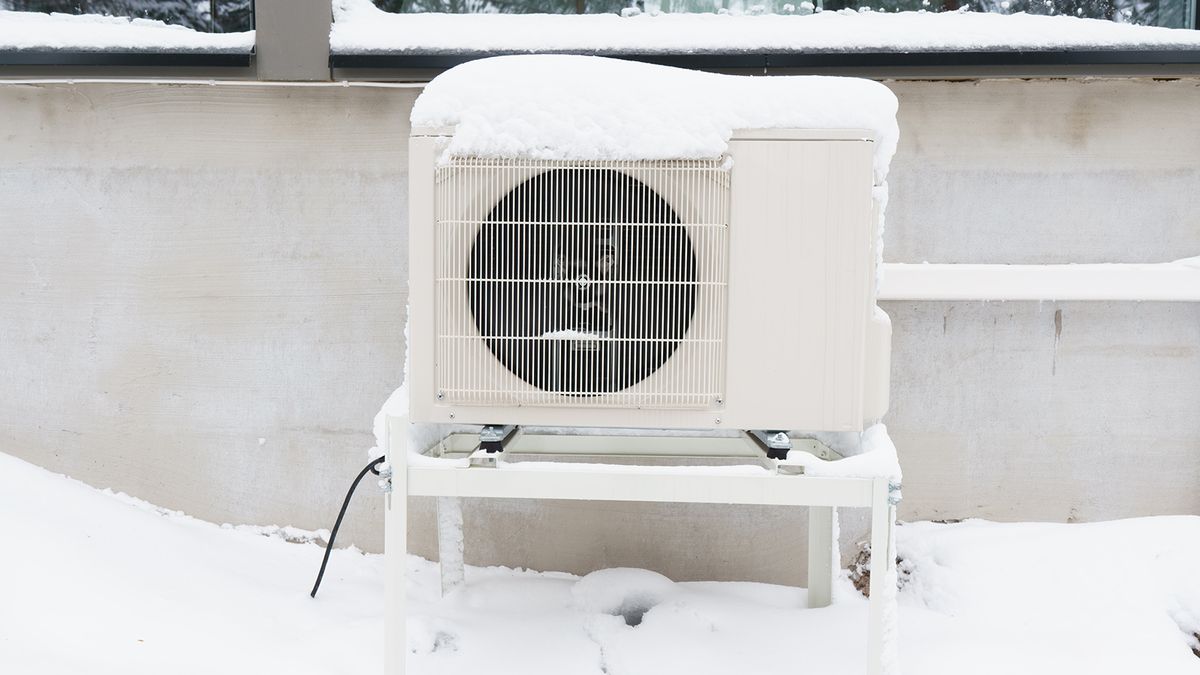
If you want to compare heating options before replacing your current system, read our guide to whether heat pumps work well in cold climates. It explains how outdoor temperatures affect performance and when backup heating may be useful.
Final Thoughts
Saving on heating without sacrificing comfort comes down to addressing waste, not lowering your standards. Start with the free changes this week — they cost nothing and several of them (reversing your fans, opening curtains strategically, rearranging furniture away from vents) take only a few minutes. Layer in the low-cost sealing projects over the next month, and treat the bigger structural investments (insulation, windows, a heat pump) as long-term improvements to plan around your budget and your heating system’s natural replacement timeline, rather than something you need to tackle all at once.