
Smart thermostat marketing loves big numbers — “save up to 26%,” “save up to 31%” — but independent data tells a more modest, and more honest, story. This guide compares the leading smart thermostats of 2026 on real-world savings data, features, and compatibility, so you can see past the best-case marketing figures to what actually happens in a typical home.
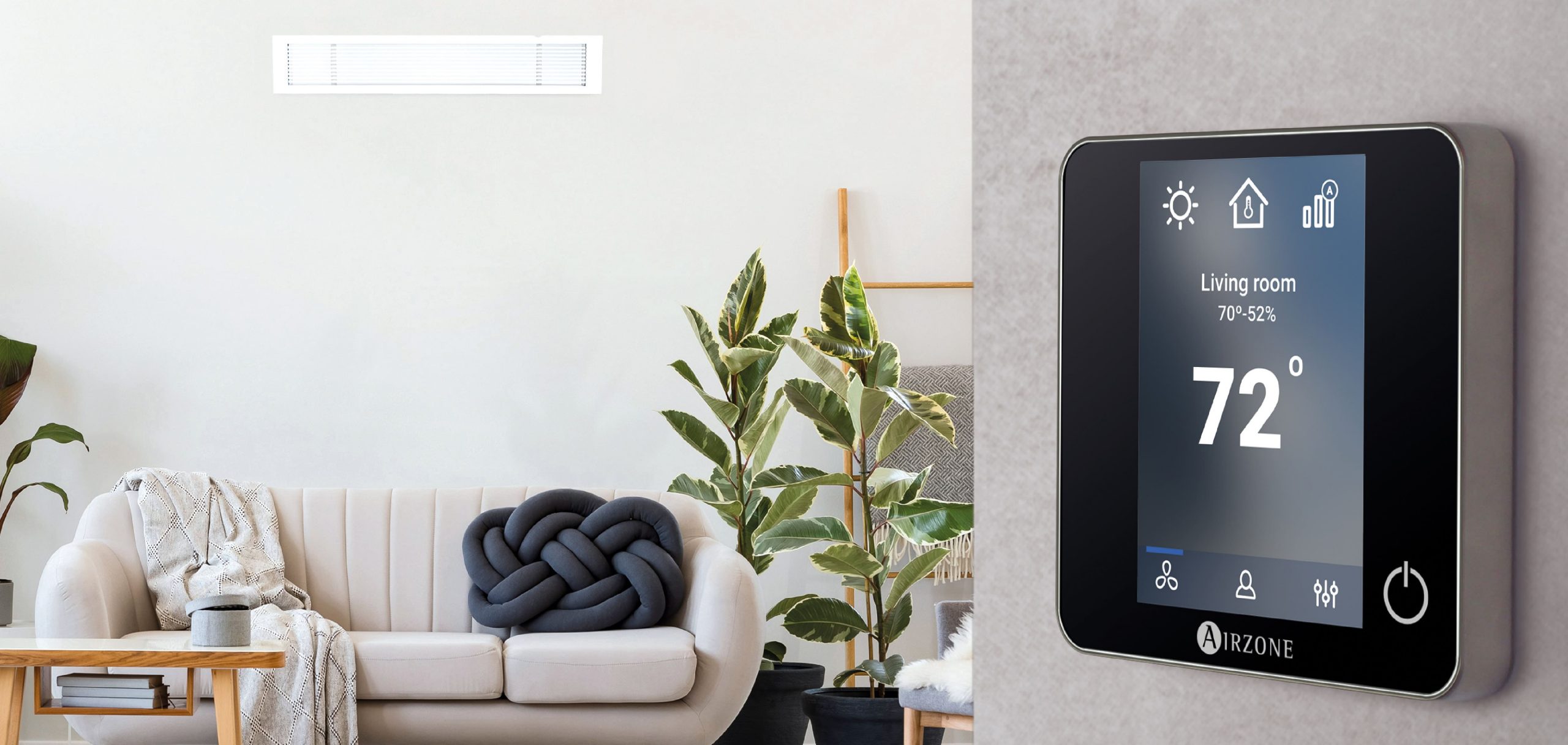
The Real Savings Numbers (Not the Marketing Ones)
Manufacturer claims run high: Ecobee has advertised savings up to 26% (as much as $284/year in some marketing materials), and Google has cited Nest savings up to 31%. Independent data tells a more grounded story:
- The EPA and ENERGY STAR both estimate average real-world savings of roughly 8-15% on heating and cooling costs — translating to about $50-$200 a year for a typical US household, depending on climate, HVAC system, and prior thermostat habits.
- The biggest savings show up when replacing a poorly-managed manual thermostat — someone who previously left the system running at a fixed temperature all day, regardless of occupancy. Smaller gains occur when replacing an already well-programmed thermostat, since there’s less waste left to eliminate.
- Most smart thermostats pay for themselves within one to two heating/cooling seasons, even using the more conservative independent savings estimates rather than manufacturer marketing figures.
The takeaway: expect real savings in the 8-15% range as your baseline planning number, and treat anything above that as a genuine bonus rather than the expected outcome.
The Top Smart Thermostats, Compared
Ecobee Smart Thermostat Premium — Best for Multi-Room Comfort and Complex HVAC
Priced around $220-$260, the Ecobee Premium includes a room sensor in the box (additional sensors sold separately), built-in air quality monitoring, and broad compatibility with Alexa, Google Home, Apple HomeKit, and Siri. It supports 4-stage HVAC systems, making it a favorite among HVAC contractors specifically for heat pump and dual-fuel setups where staging and auxiliary-heat lockout matter — see our guide on [heat pump vs. gas furnace cost] for more on dual-fuel systems. Notably, it includes a PEK adapter in the box, allowing full installation without an existing C-wire in most homes — a meaningful advantage for older homes where C-wire availability is a common installation obstacle.
Best for: Multi-room homes wanting sensor-based comfort balancing, and homes with heat pumps or dual-fuel HVAC systems.
Google Nest Learning Thermostat (4th Gen) — Best for Hands-Off Adaptive Scheduling
Priced in the $130-$280 range depending on retailer and promotions, the Nest Learning Thermostat is built around its signature feature: it observes your manual adjustments over roughly the first week and builds an automatic schedule itself, requiring little to no manual programming. It has the most aggressive learning algorithm in the category and one of the largest, most polished displays. The notable downside: it generally requires an existing C-wire, or a separately purchased Nest Power Connector accessory, which can meaningfully increase installation difficulty and cost in older homes without one already in place.
Best for: Homeowners who want a “set it and let it learn” experience without manually building a schedule.
Honeywell Home T6 Pro — Best Budget Pick With Broad HVAC Compatibility
At around $70, the T6 Pro lacks WiFi/app control but offers excellent, dependable programmable logic and broad compatibility with a wide range of HVAC system types, including multi-stage systems, at a fraction of the cost of the smart, app-connected models above.
Best for: Budget-conscious buyers who want reliable programmable scheduling without app connectivity or a higher price tag.
Honeywell Home RTH9585WF — Best “Deep Industry Heritage” Full-Featured Option
A more fully-featured, WiFi-connected Honeywell model, frequently recommended for buyers who want a proven, customizable thermostat from a company with a long track record in HVAC controls specifically, rather than a newer smart-home-first brand.
Best for: Buyers prioritizing a well-established, HVAC-industry-specific brand over a tech-company product.
Amazon Smart Thermostat — Fastest Payback on a Tight Budget
A genuinely budget-friendly WiFi-connected option, limited to single-stage HVAC support (a real limitation compared to Ecobee’s 4-stage support, if you have a multi-stage system), but its low price means it often pays for itself fastest in pure dollar terms for compatible single-stage systems.
Best for: Budget-conscious buyers with a simple, single-stage HVAC system.
Mysa LITE — The Right Choice for Electric Baseboard Heating
This is a genuinely important distinction most general “best thermostat” lists gloss over: standard smart thermostats like Ecobee and Nest are designed for low-voltage HVAC control wiring and are generally not compatible with electric baseboard heating, which uses line-voltage (120V/240V) control. If you have baseboard heaters — relevant if you’ve read our guide on [heat pump vs. electric baseboard heating] and are keeping baseboard in some rooms — the Mysa LITE is specifically built for this line-voltage setup, making it the correct pick rather than a standard smart thermostat that simply won’t work with that wiring type.
Best for: Homes with electric baseboard or other line-voltage heating systems.
Quick Comparison Table
| Thermostat | Price | Best for | Key limitation |
|---|---|---|---|
| Ecobee Smart Thermostat Premium | ~$220-260 | Multi-room comfort, heat pumps/dual-fuel | Higher price; extra sensors sold separately |
| Google Nest Learning (4th Gen) | ~$130-280 | Hands-off adaptive learning | Typically needs a C-wire or added accessory |
| Honeywell Home T6 Pro | ~$70 | Budget, broad HVAC compatibility | No WiFi/app control |
| Honeywell Home RTH9585WF | Mid-range | Established HVAC-industry brand | Less smart-home ecosystem polish than Nest/Ecobee |
| Amazon Smart Thermostat | Budget | Fastest payback, simple systems | Single-stage HVAC support only |
| Mysa LITE | Mid-range | Electric baseboard/line-voltage heating | Not applicable to standard low-voltage HVAC |
What Actually Drives Your Real Savings (More Than the Brand)
- Your starting point matters most. If you already manually adjust your thermostat consistently when you leave or sleep, any smart thermostat’s incremental savings will be modest. If you currently leave a fixed temperature running all day regardless of occupancy, the potential savings are much larger.
- Geofencing and occupancy sensing (available on Ecobee and Nest, among others) help maintain savings automatically, but manually overriding these features frequently erodes much of the benefit.
- Climate and HVAC system age affect the absolute dollar savings — a smart thermostat can’t fix an inefficient furnace or poor insulation, but it does stop you from conditioning an empty house unnecessarily.
- C-wire availability affects installation cost and difficulty more than it affects the thermostat’s actual savings potential, so factor this into your total cost comparison, not just the sticker price.
How to Choose Based on Your Situation
- Have a heat pump or dual-fuel system? → Ecobee Premium, given its 4-stage support and contractor-preferred compatibility.
- Want minimal manual setup and don’t mind checking for a C-wire? → Google Nest Learning Thermostat.
- On a tight budget with a simple system? → Honeywell T6 Pro (no WiFi) or Amazon Smart Thermostat (WiFi, single-stage).
- Have electric baseboard heating? → Mysa LITE — this isn’t optional, since standard smart thermostats generally won’t work with line-voltage wiring at all.
- Multiple rooms with inconsistent temperatures? → Ecobee, specifically for its included and expandable room sensor system.
Final Thoughts
The honest 2026 answer to “which smart thermostat saves the most” is that the difference between top models matters less than most marketing suggests — independent data consistently shows real-world savings in the 8-15% range regardless of which leading brand you choose, with your prior thermostat habits mattering more than the specific model. Ecobee leads for multi-room comfort and heat pump compatibility, Nest leads for hands-off adaptive learning, Honeywell offers the most budget-friendly reliable option, and Mysa is the only correct choice if you have electric baseboard heating rather than standard central HVAC. Choose based on your specific HVAC system, wiring, and ecosystem preferences first — the savings percentage will land in a similar range regardless of which of the leading models you pick.